
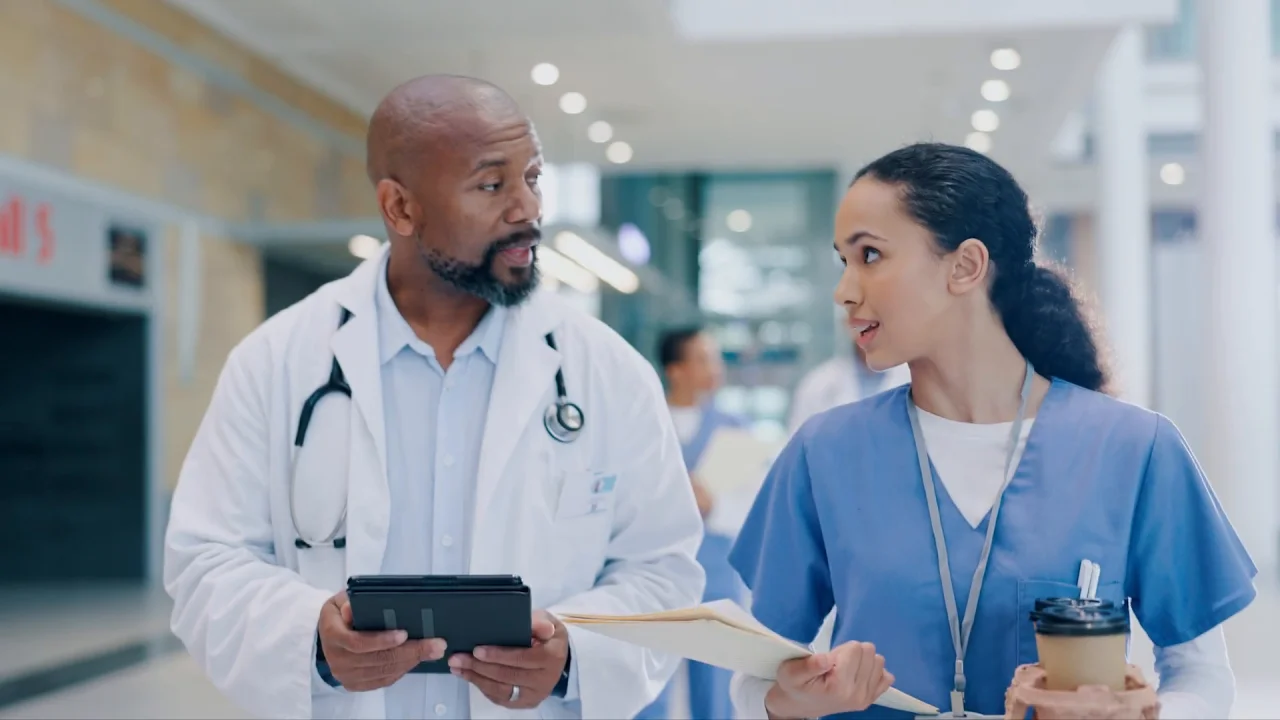
The healthcare industry stands at a critical crossroads. While technological advancements promise revolutionary improvements in patient care, the sector faces an unprecedented workforce crisis. Aging populations, increasing chronic disease prevalence, and the lingering effects of the global pandemic have created a perfect storm of staffing challenges that threaten the sustainability of healthcare systems worldwide.
Yet within these challenges lie tremendous opportunities for innovation. Forward-thinking healthcare organizations are reimagining workforce solutions, embracing flexible staffing models, investing in skill development, and leveraging technology to transform how they attract, deploy, and retain healthcare professionals. The future of healthcare staffing isn’t just about filling positions—it’s about creating adaptable, resilient workforce ecosystems that can respond to changing patient needs and industry dynamics.
This article explores the emerging trends, technologies, and strategies that are shaping the future of healthcare workforce solutions. Whether you’re a hospital administrator, clinic manager, or healthcare staffing professional, understanding these developments is crucial for building sustainable staffing strategies that support high-quality patient care.
The Evolving Healthcare Workforce Landscape
Today’s healthcare workforce faces challenges unlike any previous generation. The traditional staffing model—built on permanent, full-time employees working predictable shifts—no longer aligns with modern healthcare realities. Several converging factors are driving fundamental changes in how healthcare organizations approach workforce planning.
Key workforce challenges include:
- Critical Staff Shortages: The global shortage of nurses, physicians, and allied health professionals continues to intensify. Demand consistently outpaces supply, particularly in specialized areas like critical care, emergency medicine, and mental health.
- Burnout and Retention Issues: Healthcare workers face extraordinary stress levels, leading to increased burnout rates and early career exits. Organizations must address work-life balance, mental health support, and workplace culture to retain talented staff.
- Demographic Shifts: Aging healthcare professionals are retiring faster than new graduates can replace them, while patient populations grow older and require more complex care coordination.
- Fluctuating Demand Patterns: Healthcare needs vary dramatically by season, location, and population health trends. Rigid staffing models struggle to accommodate these fluctuations efficiently.
These challenges have forced healthcare leaders to question long-held assumptions about workforce management and explore innovative solutions that would have seemed radical just a decade ago.
Flexible Workforce Solutions: The New Standard
Flexibility has emerged as the cornerstone of modern healthcare workforce strategy. Rather than relying exclusively on permanent staff, leading healthcare organizations now blend permanent, temporary, and contract workers in strategic ratios that align with their specific needs and circumstances.
Flexible staffing models gaining traction include:
- Travel Nursing and Locum Tenens Programs: Experienced professionals take temporary assignments across different facilities, bringing specialized skills where they’re needed most while enjoying variety and competitive compensation.
- Per Diem and On-Demand Staffing: Healthcare workers with flexible schedules fill shifts as needed, helping facilities manage unexpected absences, seasonal surges, or temporary increases in patient volume.
- Contract-to-Permanent Pathways: Organizations and candidates “try before they buy” through extended temporary assignments that can transition to permanent positions when both parties find the right fit.
- Internal Float Pools: Healthcare systems develop their own flexible workforce pools—employees who work across multiple departments and locations within the organization as needs dictate.
- Strategic Staffing Partnerships: Healthcare facilities partner with specialized firms like Vishwell Staffing to maintain access to vetted, credentialed healthcare professionals who can deploy quickly when needed.
The most successful organizations don’t view flexible staffing as a last resort for emergencies but as a strategic capability that provides resilience, scalability, and cost management. By intentionally designing staffing models that blend permanent and flexible workers, they gain the agility to respond to changing circumstances while maintaining consistent care quality.
Technology-Driven Recruitment and Matching
Digital transformation is revolutionizing how healthcare organizations identify, evaluate, and engage qualified candidates. Advanced technologies are making recruitment faster, more accurate, and more efficient while improving the experience for both employers and healthcare professionals seeking opportunities.
Emerging recruitment technologies include:
- AI-Powered Candidate Matching: Machine learning algorithms analyze qualifications, experience, preferences, and availability to match candidates with positions where they’re most likely to succeed and stay engaged.
- Automated Credentialing Verification: Digital platforms instantly verify licenses, certifications, and credentials across multiple jurisdictions, dramatically reducing the time required to onboard new healthcare workers.
- Mobile-First Application Experiences: Healthcare professionals can search opportunities, apply for positions, complete onboarding paperwork, and manage assignments entirely from their smartphones.
- Predictive Analytics for Demand Forecasting: Advanced analytics predict staffing needs based on historical patterns, local health trends, and external factors, enabling proactive recruitment rather than reactive scrambling.
- Virtual Interview and Assessment Tools: Video interviewing platforms, skills assessments, and virtual job shadowing enable thorough candidate evaluation without geographic constraints.
These technologies don’t replace human judgment in healthcare staffing—instead, they augment it. By automating time-consuming administrative tasks and providing data-driven insights, technology frees recruitment professionals to focus on relationship building, cultural assessment, and strategic decision-making.
Continuous Skills Development and Career Pathways
The rapid pace of medical advancement means that initial professional training quickly becomes outdated. Healthcare organizations increasingly recognize that workforce development isn’t just about recruitment—it’s about continuous investment in skills enhancement, specialization opportunities, and clear career progression pathways.
Progressive workforce development strategies include:
- Structured Competency Development: Organizations create clear competency frameworks that map skills required at different career stages, with defined pathways for advancement and specialized certification support.
- Cross-Training and Multi-Skilling: Healthcare workers gain exposure to multiple specialties and settings, increasing their versatility and value while creating more engaging career experiences.
- Mentorship and Preceptorship Programs: Experienced professionals guide newer colleagues, facilitating knowledge transfer, building confidence, and strengthening organizational culture.
- Technology Training Integration: As telehealth, electronic health records, and clinical technologies evolve, ongoing digital literacy training ensures staff can leverage these tools effectively.
- Leadership Development Pipelines: Organizations identify high-potential clinical staff and provide management training, preparing them for supervisory and administrative roles as they become available.
Investment in professional development delivers multiple benefits. It improves patient outcomes by ensuring staff maintain current knowledge and skills. It boosts retention by demonstrating commitment to employees’ career growth. And it builds leadership capacity from within, reducing dependence on external recruitment for advanced positions.
Wellness, Work-Life Balance, and Retention Strategies
Recruiting talented healthcare professionals matters little if they burn out and leave within a year. The future of healthcare workforce solutions must prioritize not just attracting talent but creating work environments where professionals can sustain long, fulfilling careers.
Essential retention and wellness initiatives include:
- Flexible Scheduling Options: Self-scheduling systems, shift-swapping capabilities, and part-time options accommodate diverse lifestyle needs and reduce the conflict between work and personal responsibilities.
- Mental Health and Wellbeing Support: Comprehensive employee assistance programs, peer support groups, resilience training, and access to mental health professionals help healthcare workers manage job stress.
- Competitive Total Compensation: Beyond base salaries, organizations offer sign-on bonuses, retention incentives, student loan assistance, comprehensive benefits, and retirement contributions that reflect the value of healthcare professionals’ contributions.
- Positive Workplace Culture: Leadership that genuinely values staff input, addresses concerns promptly, recognizes achievements, and fosters collaborative relationships creates environments where people want to stay.
- Safe Staffing Ratios: Maintaining appropriate patient-to-staff ratios protects both quality of care and staff wellbeing, preventing the dangerous cycle where understaffing drives more resignations.
Organizations that excel at retention view their workforce as their most valuable asset and invest accordingly. They understand that retaining an experienced nurse, physician, or allied health professional delivers far greater value than constantly recruiting and training replacements.
Conclusion: Building Sustainable Healthcare Workforce Ecosystems
The future of healthcare workforce solutions isn’t a single silver bullet—it’s a comprehensive ecosystem of interconnected strategies. Organizations that thrive will embrace flexibility, leverage technology intelligently, invest in continuous skill development, and prioritize employee wellbeing alongside operational efficiency.
The challenges are real and growing, but so are the opportunities for innovation. Healthcare leaders willing to rethink traditional approaches and experiment with new workforce models will position their organizations to deliver excellent patient care even amid industry-wide staffing pressures.
At Vishwell Staffing, we partner with healthcare organizations to implement these forward-looking workforce solutions. From flexible staffing arrangements and rapid credentialing to strategic workforce planning consultation, we help healthcare facilities build resilient, adaptable staffing ecosystems. Our deep understanding of healthcare operations, combined with access to qualified professionals across all healthcare disciplines, enables us to support your organization through immediate challenges while building capabilities for long-term success. Contact us to discuss how we can strengthen your healthcare workforce strategy.
Leave A Comment